
Bugs and spiders in Nevada
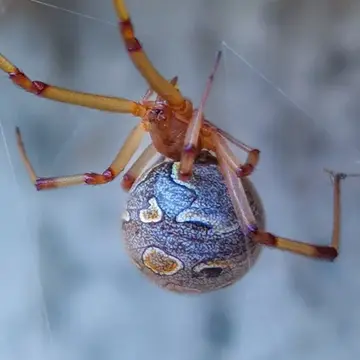
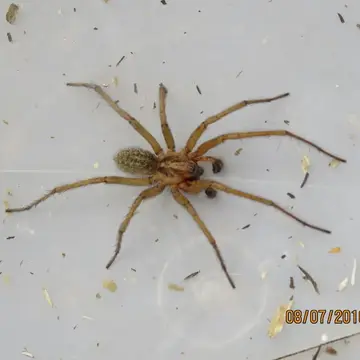
The western black widow is the most-recorded species in Nevada, with pill bugs, European paper wasps and the Arizona bark scorpion next. The list here is among the shorter ones on this site, and the Get-advice species come down to the western black widow, the bark scorpion and two ticks. Several others show up only as records: the American dog tick, brown widow and hobo spider are not known to live in the state.
Get advice if bitten
These are found in Nevada. If you think one bit or stung you, call Poison Help at 1-800-222-1222; call 911 for trouble breathing or swelling.
Common in Nevada
Established here or recorded often, most-recorded first.
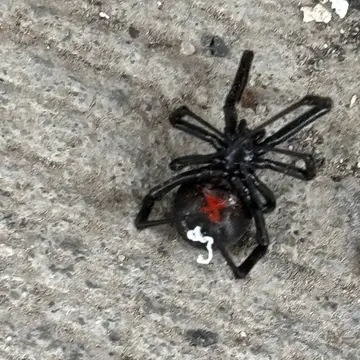 Western black widowGet adviceEstablished · 711 records
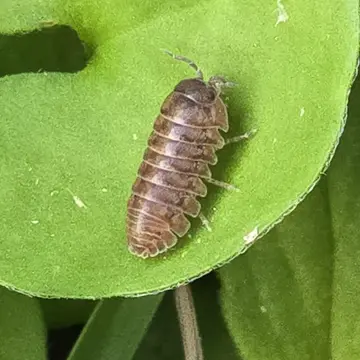 Pill bugHarmlessCommon · 346 records
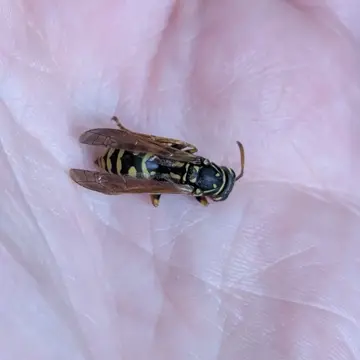 European paper waspBe carefulCommon · 307 records
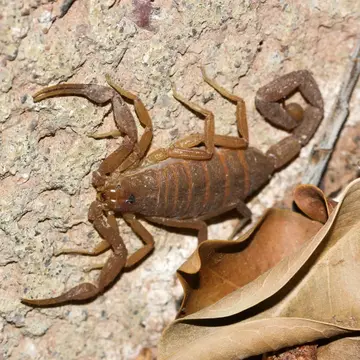 Arizona bark scorpionGet adviceEstablished · 225 records
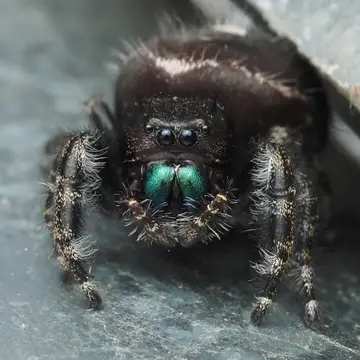 Bold jumping spiderHarmlessCommon · 198 records
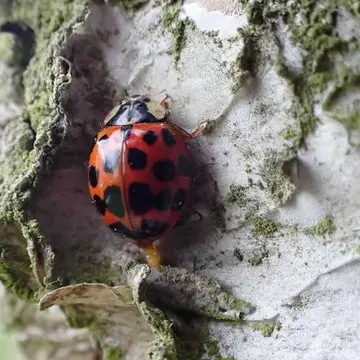 Asian lady beetleBe carefulCommon · 175 records
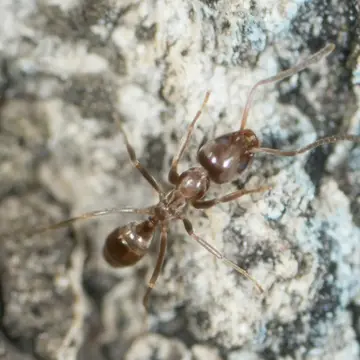 Argentine antHarmlessCommon · 152 records
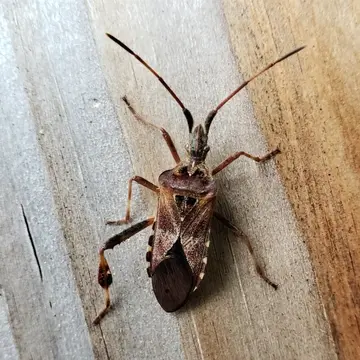 Western conifer seed bugHarmlessCommon · 143 records
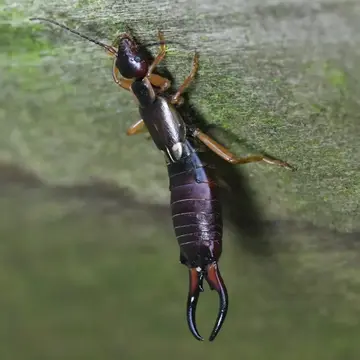 European earwigHarmlessCommon · 67 records
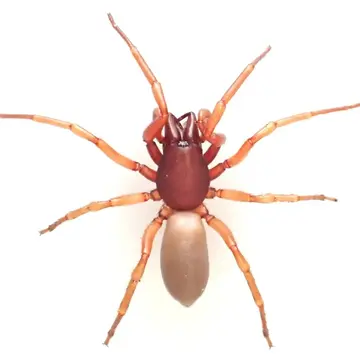 Woodlouse spiderHarmlessCommon · 56 records
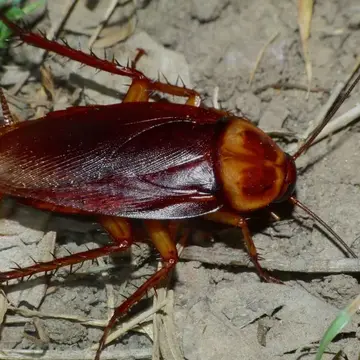 American cockroachBe carefulCommon · 53 records
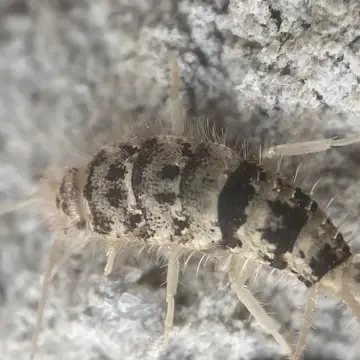 FirebratHarmlessCommon · 52 records
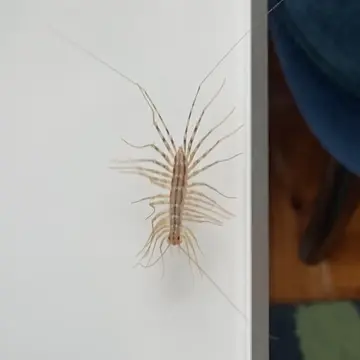 House centipedeBe carefulCommon · 51 records
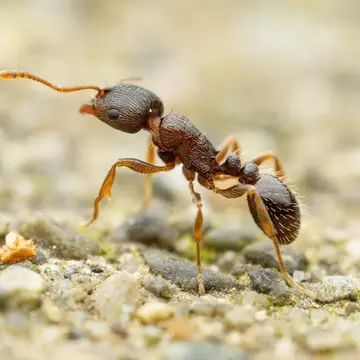 Pavement antHarmlessCommon · 42 records
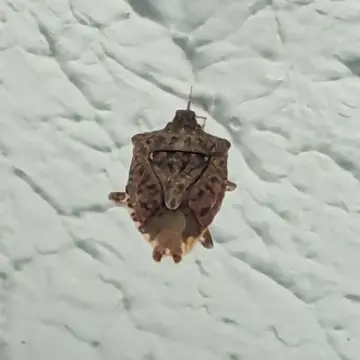 Brown marmorated stink bugHarmlessCommon · 34 records
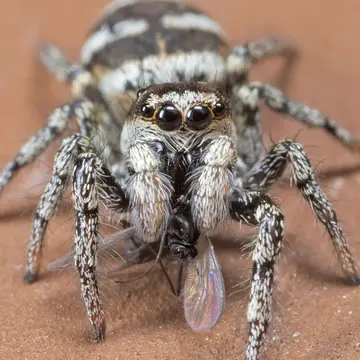 Zebra jumping spiderHarmlessCommon · 25 records
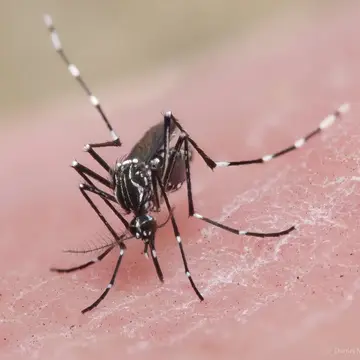
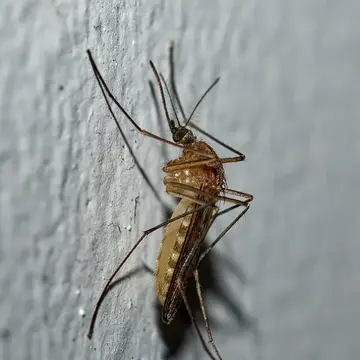 House mosquitoBe carefulEstablished · 22 records
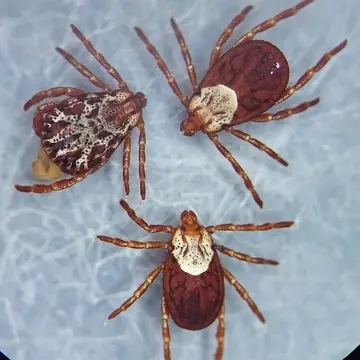 Rocky Mountain wood tickGet adviceEstablished · 6 records
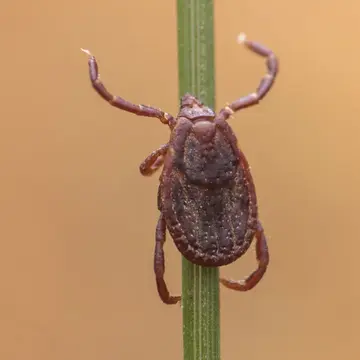 Brown dog tickGet adviceEstablished
What to watch for in Nevada
The western black widow is the first to watch, and an adult female's bite can cause severe muscle pain and cramps, so get medical advice right away. The Arizona bark scorpion is established in the southern low-desert areas of the state. Its sting is very painful and can be dangerous for young children and older adults; call Poison Help at 1-800-222-1222 right away.
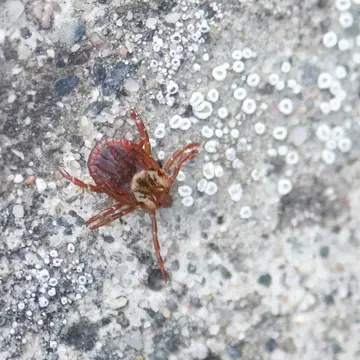
Two ticks are established: the Rocky Mountain wood tick, with few records, and the brown dog tick, which feeds mostly on dogs and can breed indoors. Both can carry disease. Records exist for the American dog tick and the brown widow, but sightings like these are often misidentifications or hitchhikers rather than local populations.
Through the year
- Spring
- Rocky Mountain wood ticks are active from snowmelt, zebra jumping spiders appear in spring, and pill bugs turn up indoors after long rainy periods.
- Summer
- Bark scorpions are active on warm nights above about 70°F, western black widows are most active through fall, and European paper wasps work around the outside of the house.
- Fall
- Western conifer seed bugs move in during September and October, Asian lady beetles in October and November, and European earwigs are seen most in late summer and fall.
- Winter
- Bark scorpions are least active from November through March, firebrats gather near furnaces and heating pipes, and Argentine ants may turn up indoors after heavy rain or hot, dry spells.
Seen now and then
Recorded a few times; often brought in on plants, firewood or luggage.
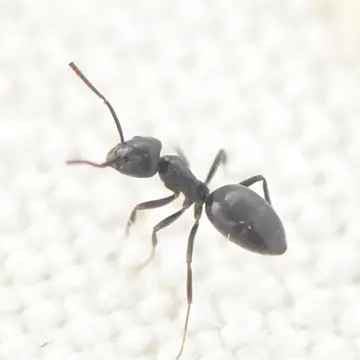 Odorous house antHarmlessOccasional · 22 records
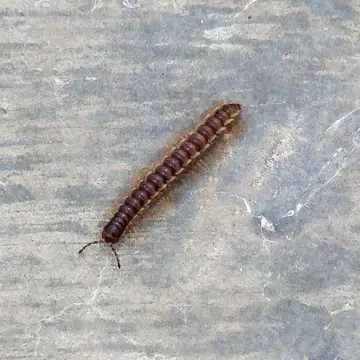 Greenhouse millipedeHarmlessOccasional · 22 records
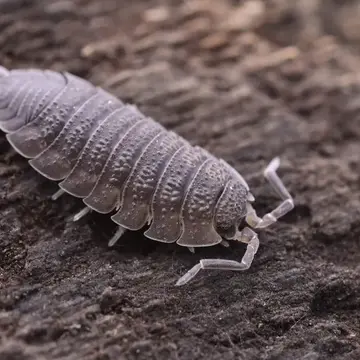 Rough sowbugHarmlessOccasional · 21 records
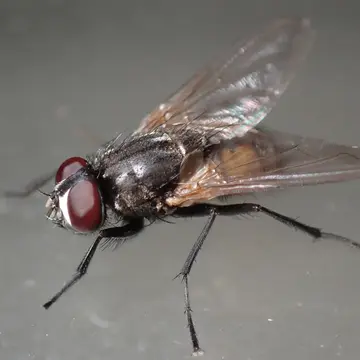 House flyBe carefulOccasional · 18 records
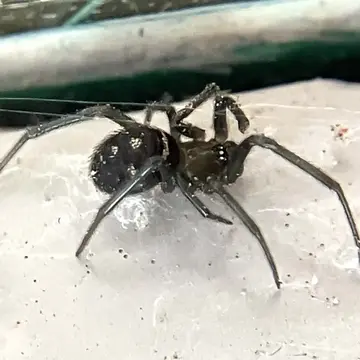 False black widowBe carefulOccasional · 17 records
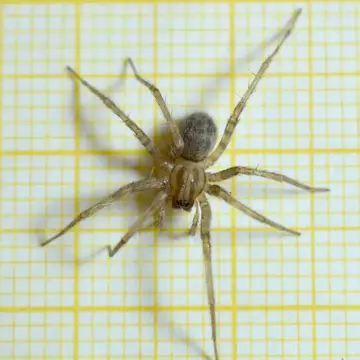 Barn funnel weaverHarmlessOccasional · 10 records
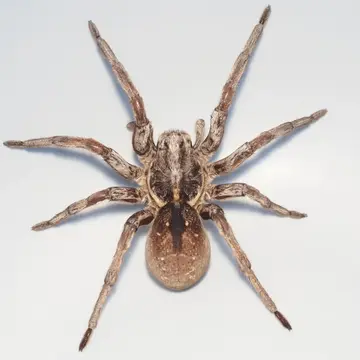 Carolina wolf spiderBe carefulOccasional · 9 records
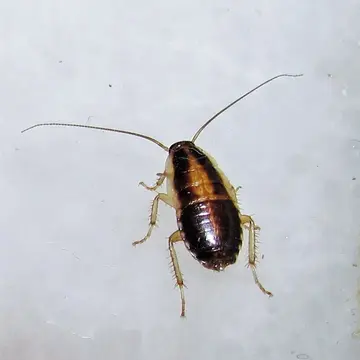 German cockroachBe carefulOccasional · 8 records
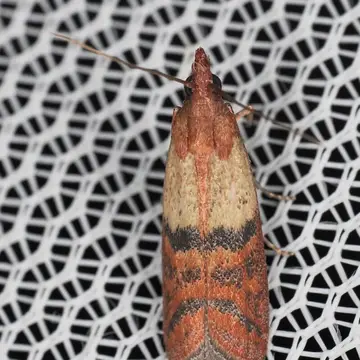 Indianmeal mothHarmlessOccasional · 8 records
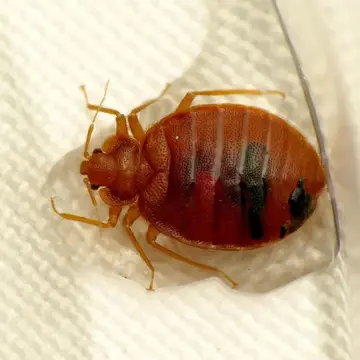 Bed bugBe carefulOccasional · 7 records
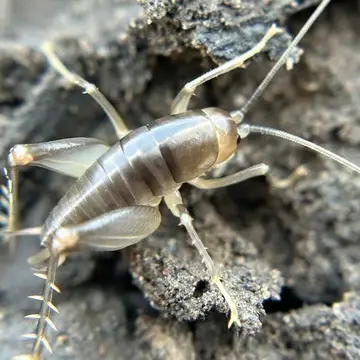 Camel crickets (native)HarmlessOccasional · 7 records
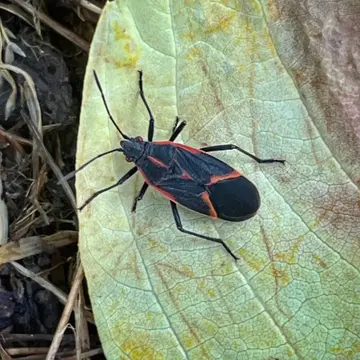 Boxelder bugHarmlessOccasional · 7 records
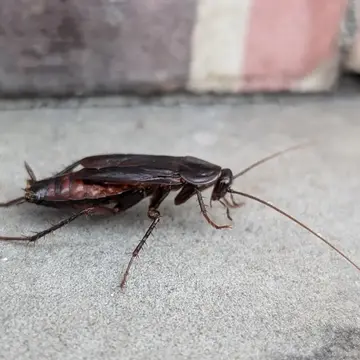 Oriental cockroachBe carefulOccasional · 6 records
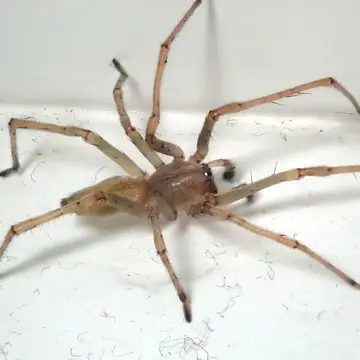 Northern yellow sac spiderBe carefulOccasional · 4 records
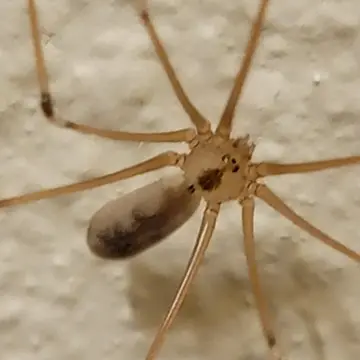 Long-bodied cellar spiderHarmlessOccasional · 3 records
Recorded, not established
Range maps don't place these here, but people have recorded them. Usually hitchhikers.
Lists come from research-grade iNaturalist sightings (Nevada: 62,669 arthropod records) and, for dangerous species, published range maps. A species with few records may be a hitchhiker. Counts pulled Oct 18, 2026.