
Silverfish and firebrats
Silverfish
Silverfish are harmless to people; they do not bite or sting, but they can nibble paper, books, starched fabric and dry food.
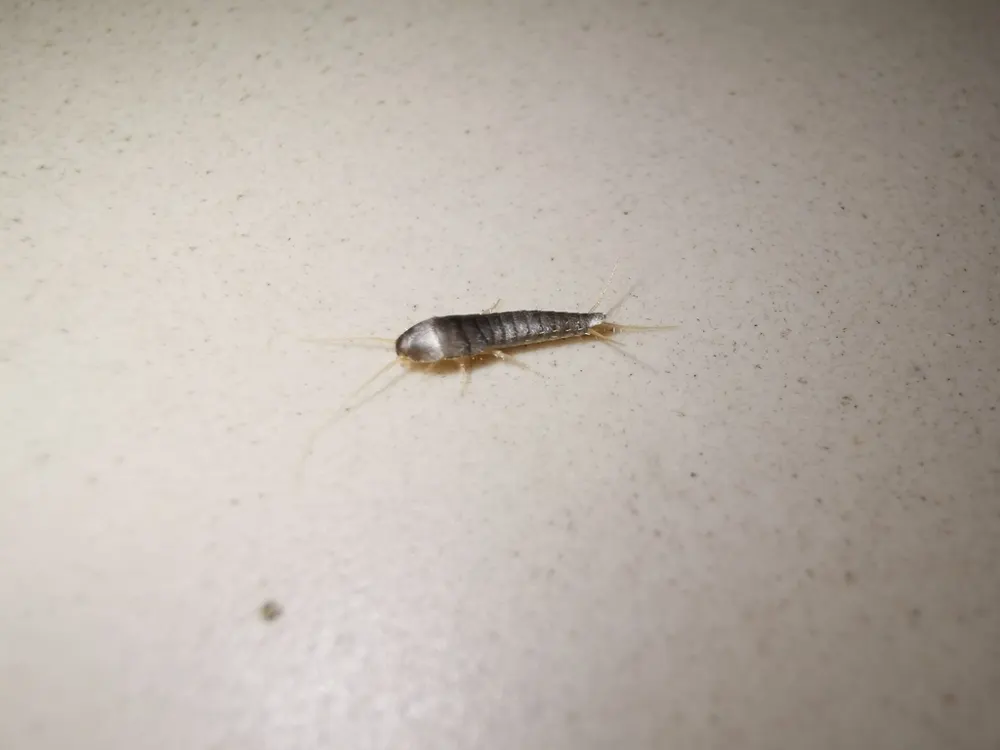
Check these features
- Flat, carrot-shaped body, wide at the head and tapering to the rear
- Covered in shiny silver to pearl-gray scales
- No wings
- Two long antennae in front and three long, thin tails at the rear
- Runs fast with a wiggling, fish-like motion when uncovered
Bites and stings
Does not bite people.
What to do
- Scoop it up or vacuum it; one silverfish is not a reason for alarm.
- Lower the humidity in bathrooms, laundry rooms and basements with a dehumidifier or exhaust fan, and fix any leaks.
- Set sticky traps in corners and along edges of damp rooms and closets to see how many there are.
- Move stored books, papers and boxes off basement floors into sealed plastic bins, and store dry food in sealed containers.
- If damage continues for weeks, use a crack-and-crevice dust or spray made for silverfish, following the label, or call a pest professional.
Look-alikes
Why it came inside
Silverfish need high humidity and come indoors for damp, sheltered spots with paper, glue, starch and crumbs to eat; they also arrive in boxes, books and papers and travel through pipe openings between floors.
Keep it out
- Keep humidity low with a dehumidifier and good ventilation.
- Caulk gaps around pipes, baseboards and window and door frames.
- Store papers, photos and clothing in sealed containers rather than cardboard.
- Vacuum often to remove dust, crumbs and shed scales they feed on.
What helps
Links go to Amazon search results so you can compare current options. As an Amazon Associate I earn from qualifying purchases. Always follow the product label.
Flat glue traps set along walls and in corners show what is moving through and where. Place them where pets and children can't reach.
See options on AmazonKeeping a basement at about 50 percent humidity or lower makes it less welcoming to the bugs that need damp air.
See options on AmazonSilicone or siliconized acrylic caulk closes cracks around windows, pipes and baseboards. Bigger gaps need foam backer rod or expanding foam first.
See options on AmazonGlass or thick plastic containers with tight lids keep pantry pests out of flour, cereal, rice and pet food.
See options on AmazonLets you remove bugs, webs and egg sacs without touching them. Empty the bag or canister outside right away.
See options on AmazonSources
- Ohio State University Extension (Ohioline ENT-64)
- University of California Statewide IPM Program (Pest Notes: Silverfish and Firebrats)
- Maine Department of Agriculture, Conservation and Forestry
- Utah State University Extension
Checked October 18, 2026. Rating backed by 3 sources. How we rate danger.
Firebrat
Firebrats are harmless to people and pets; they do not bite, but they can nibble paper, books, wallpaper and starchy foods.
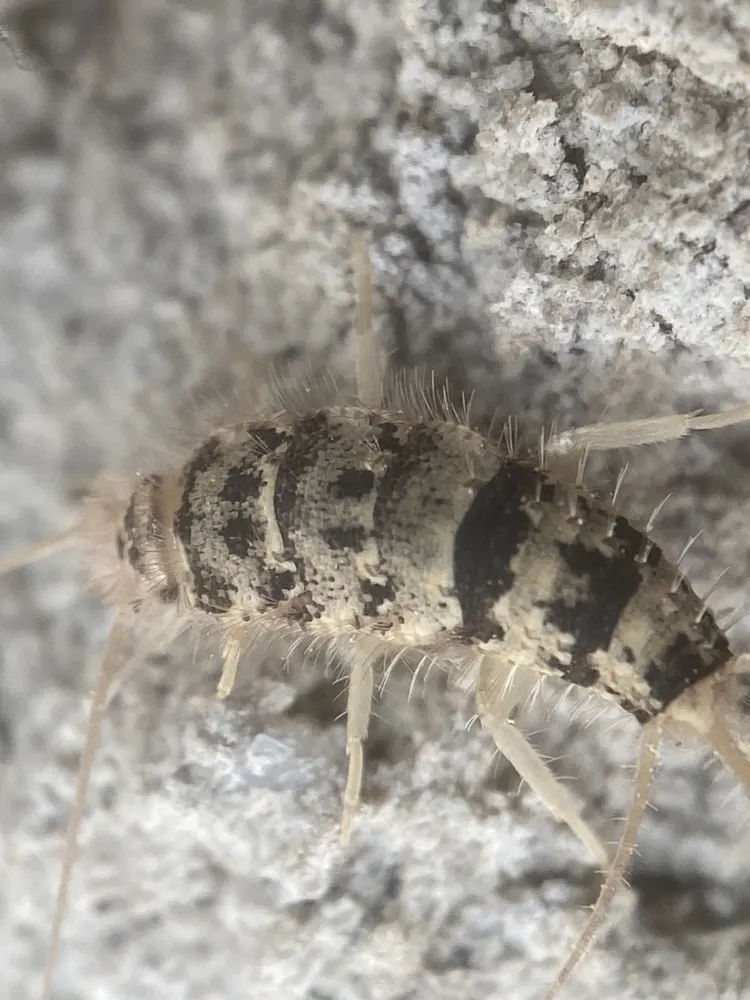
Check these features
- Flat, tapering body shaped like a silverfish
- Mottled gray or brown scales rather than even silver
- No wings
- Two long antennae and three long tails at the rear
- Found in very warm spots, often near heat sources
Bites and stings
Does not bite people.
What to do
- Scoop it up or vacuum it; it poses no danger.
- Check hot spots such as the furnace room, water heater closet, behind the oven and around the fireplace for more of them.
- Set sticky traps near those heat sources and along edges of closets and bookshelves to gauge numbers.
- Clear out old papers, cardboard and spilled flour or cereal, and store books, papers and dry food in sealed containers.
- For a lasting problem, treat cracks and voids near heat sources with a product labeled for firebrats, following the label, or call a pest professional.
Look-alikes
Why it came inside
Firebrats need heat and live near furnaces, boilers, hot water pipes, ovens and fireplaces, moving into attics in summer and toward heating equipment in winter, where they feed on starches, paper, glue and crumbs.
Keep it out
- Caulk gaps around heating pipes, baseboards and door and window frames.
- Store paper goods, fabric and dry food in sealed containers.
- Vacuum regularly around furnaces, appliances and bookcases.
- Reduce clutter of old papers and boxes near warm areas.
What helps
Links go to Amazon search results so you can compare current options. As an Amazon Associate I earn from qualifying purchases. Always follow the product label.
Flat glue traps set along walls and in corners show what is moving through and where. Place them where pets and children can't reach.
See options on AmazonSilicone or siliconized acrylic caulk closes cracks around windows, pipes and baseboards. Bigger gaps need foam backer rod or expanding foam first.
See options on AmazonGlass or thick plastic containers with tight lids keep pantry pests out of flour, cereal, rice and pet food.
See options on AmazonLets you remove bugs, webs and egg sacs without touching them. Empty the bag or canister outside right away.
See options on AmazonSources
- Maine Department of Agriculture, Conservation and Forestry
- Ohio State University Extension (Ohioline ENT-64)
- University of California Statewide IPM Program (Pest Notes: Silverfish and Firebrats)
- Utah State University Extension
Checked October 18, 2026. Rating backed by 3 sources. How we rate danger.