
Bugs and spiders in Idaho
Bold jumping spiders, European paper wasps, zebra jumping spiders and Asian lady beetles are the species recorded most often in Idaho. Boxelder bugs and eastern carpenter bees are common here too. The western black widow, hobo spider and Rocky Mountain wood tick are all established, which gives the state a clear set of things to watch.
Get advice if bitten
These are found in Idaho. If you think one bit or stung you, call Poison Help at 1-800-222-1222; call 911 for trouble breathing or swelling.
Common in Idaho
Established here or recorded often, most-recorded first.
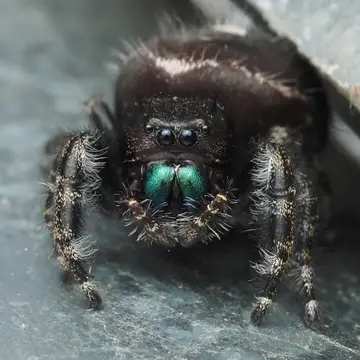 Bold jumping spiderHarmlessCommon · 1,557 records
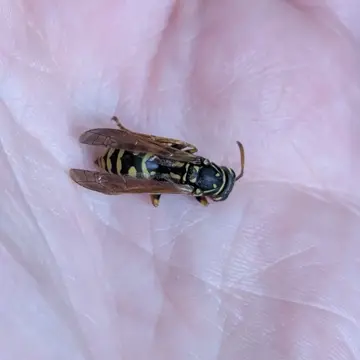 European paper waspBe carefulCommon · 1,147 records
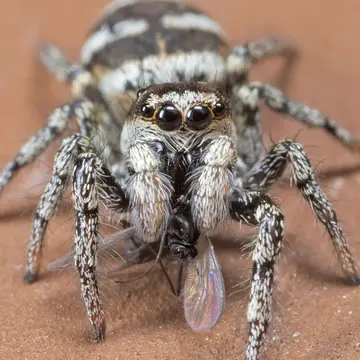 Zebra jumping spiderHarmlessCommon · 1,127 records
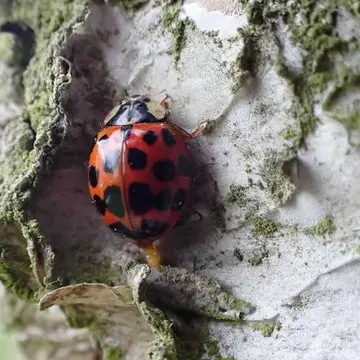 Asian lady beetleBe carefulCommon · 1,041 records
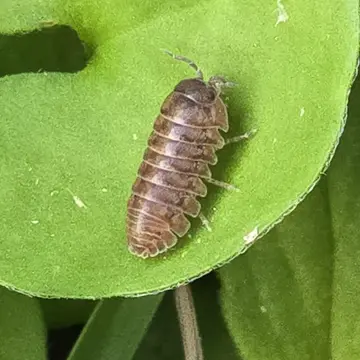 Pill bugHarmlessCommon · 852 records
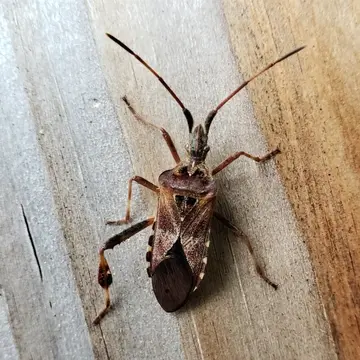 Western conifer seed bugHarmlessCommon · 836 records
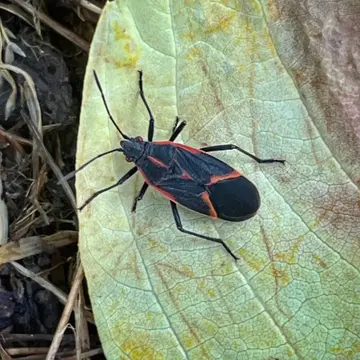 Boxelder bugHarmlessCommon · 503 records
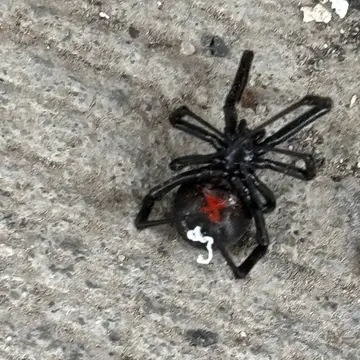 Western black widowGet adviceEstablished · 496 records
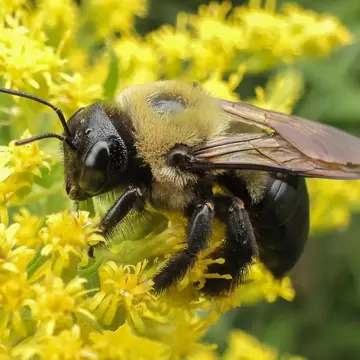 Eastern carpenter beeBe carefulCommon · 362 records
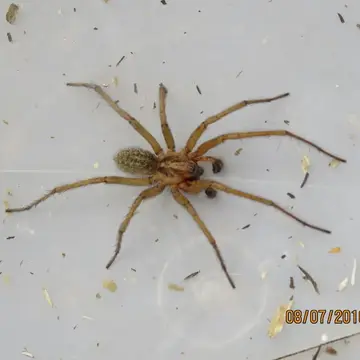 Hobo spiderBe carefulEstablished · 200 records
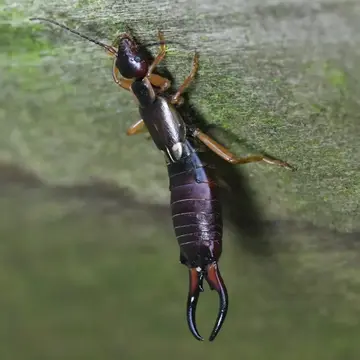 European earwigHarmlessCommon · 198 records
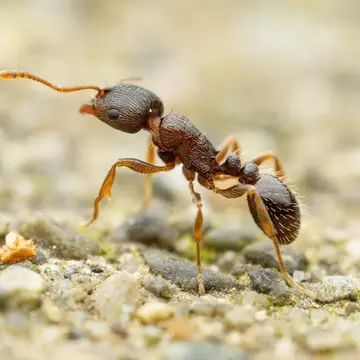 Pavement antHarmlessCommon · 186 records
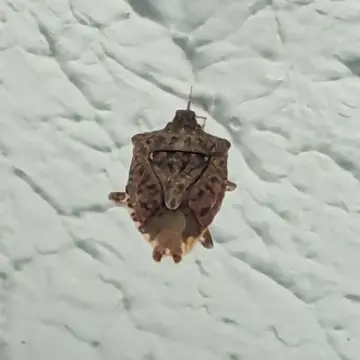 Brown marmorated stink bugHarmlessCommon · 175 records
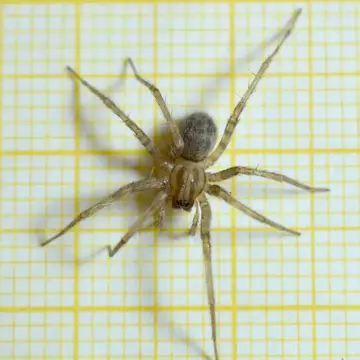 Barn funnel weaverHarmlessCommon · 135 records
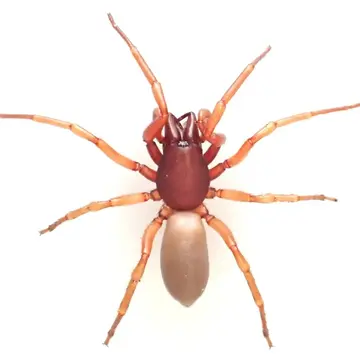 Woodlouse spiderHarmlessCommon · 99 records
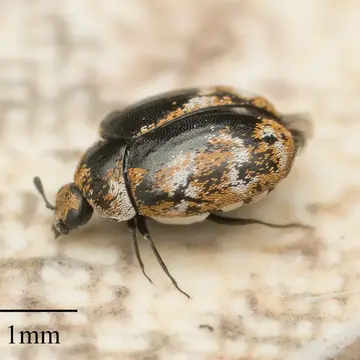 Varied carpet beetleHarmlessCommon · 53 records
 Rocky Mountain wood tickGet adviceEstablished · 31 records
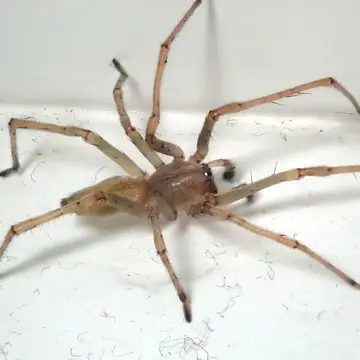 Northern yellow sac spiderBe carefulCommon · 27 records
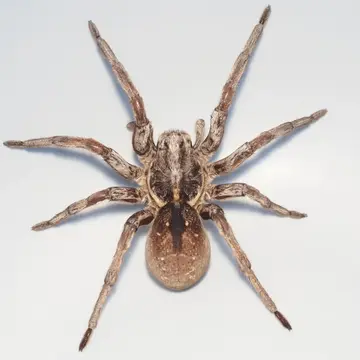 Carolina wolf spiderBe carefulCommon · 26 records
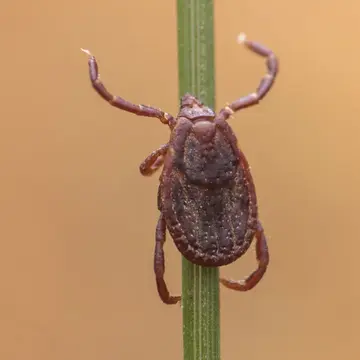 Brown dog tickGet adviceEstablished
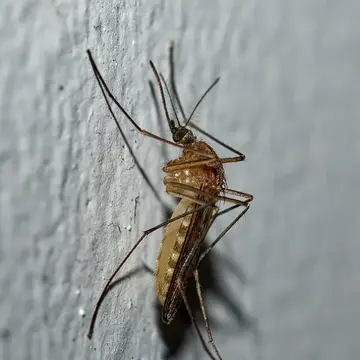 House mosquitoBe carefulEstablished
What to watch for in Idaho
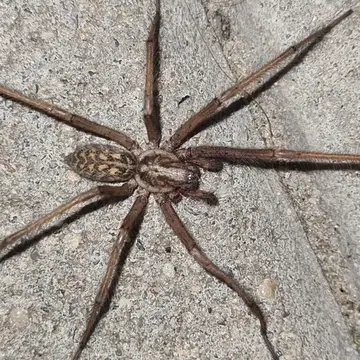
The western black widow is established in Idaho. Adults and young can overwinter in garages and crawl spaces, and a bite from an adult female can cause severe muscle pain and cramps, so get medical advice right away. The hobo spider is established as well and is rated Be careful. Call Poison Help at 1-800-222-1222 if a bite worries you.
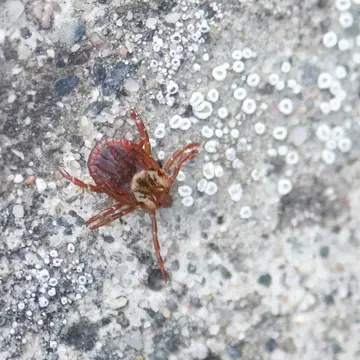
The Rocky Mountain wood tick is established in Idaho. It can spread Rocky Mountain spotted fever, Colorado tick fever and tularemia, so remove any attached tick right away. The brown dog tick is established too but mostly lives indoors with dogs. American dog tick records exist, but it is not known to live in the state. Eastern carpenter bees and European paper wasps, both common, are rated Be careful.
Through the year
- Spring
- Rocky Mountain wood ticks are active from snowmelt, eastern carpenter bees are at their busiest from April to June, and pill bugs and rough sowbugs come in after wet spells.
- Summer
- Zebra jumping spiders and bold jumping spiders are on sunny walls, European paper wasps are around the house, and pavement ants swarm in June and July.
- Fall
- Boxelder bugs start arriving in late August, followed by western conifer seed bugs, Asian lady beetles and brown marmorated stink bugs, while hobo spider males wander from August through October.
- Winter
- Barn funnel weavers stay in houses year-round, and boxelder bugs and Asian lady beetles reappear on warm days in late winter.
Seen now and then
Recorded a few times; often brought in on plants, firewood or luggage.
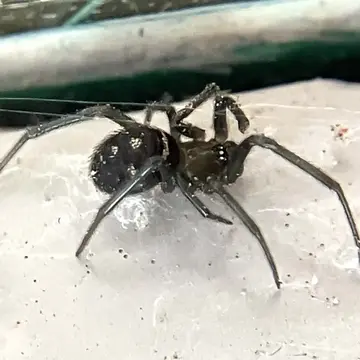 False black widowBe carefulOccasional · 24 records
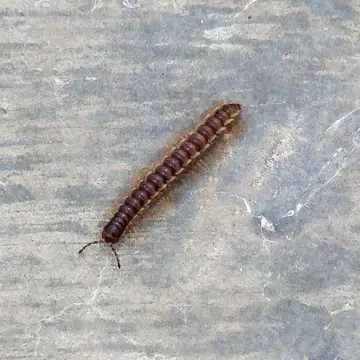 Greenhouse millipedeHarmlessOccasional · 24 records
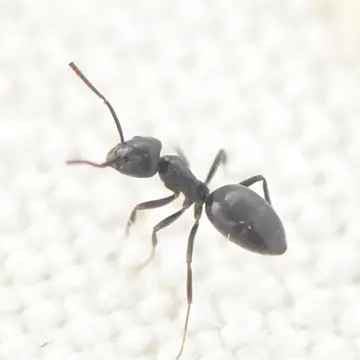 Odorous house antHarmlessOccasional · 21 records
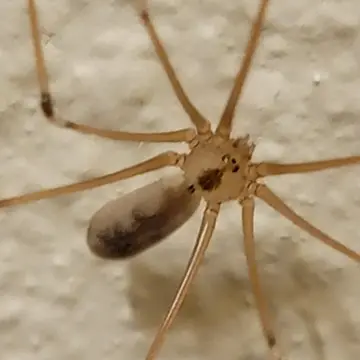 Long-bodied cellar spiderHarmlessOccasional · 16 records
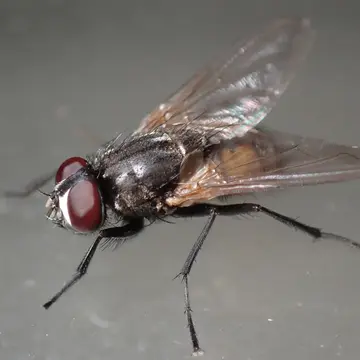 House flyBe carefulOccasional · 16 records
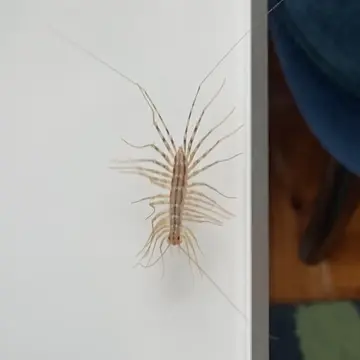 House centipedeBe carefulOccasional · 14 records
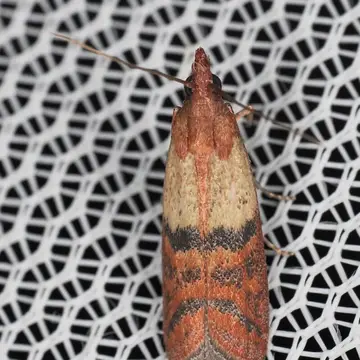 Indianmeal mothHarmlessOccasional · 14 records
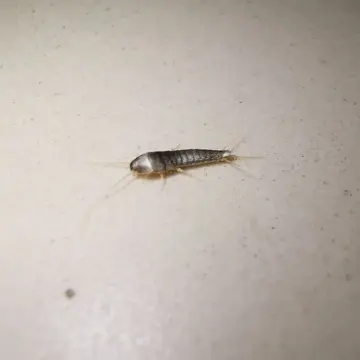 SilverfishHarmlessOccasional · 11 records
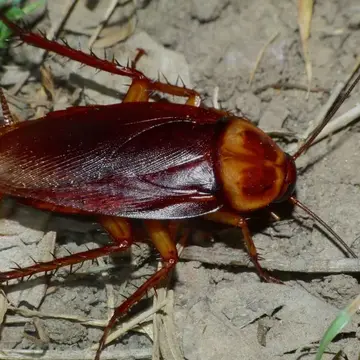 American cockroachBe carefulOccasional · 8 records
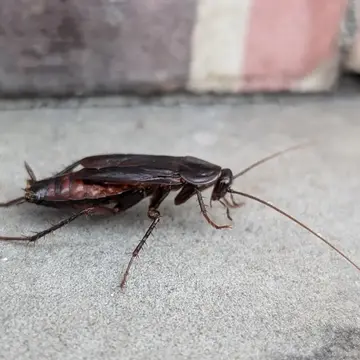 Oriental cockroachBe carefulOccasional · 8 records
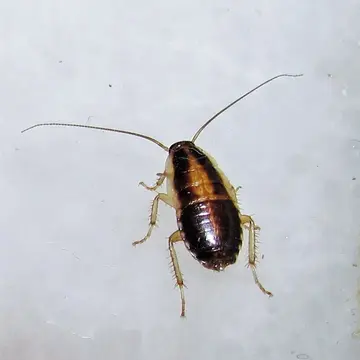 German cockroachBe carefulOccasional · 4 records
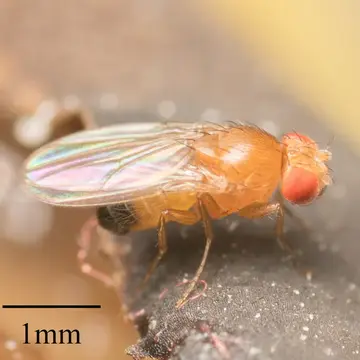 Fruit flyHarmlessOccasional · 4 records
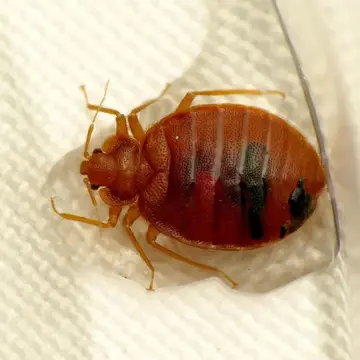 Bed bugBe carefulOccasional · 3 records
Recorded, not established
Range maps don't place these here, but people have recorded them. Usually hitchhikers.
Lists come from research-grade iNaturalist sightings (Idaho: 90,723 arthropod records) and, for dangerous species, published range maps. A species with few records may be a hitchhiker. Counts pulled Oct 18, 2026.