
Bugs and spiders in North Dakota
North Dakota has a short list, and far fewer sightings are logged here than in neighboring states. The common visitors are Asian lady beetles, boxelder bugs, bold and zebra jumping spiders and European paper wasps. The American dog tick and the western black widow are the Get-advice species with the most records.
Get advice if bitten
These are found in North Dakota. If you think one bit or stung you, call Poison Help at 1-800-222-1222; call 911 for trouble breathing or swelling.
Common in North Dakota
Established here or recorded often, most-recorded first.
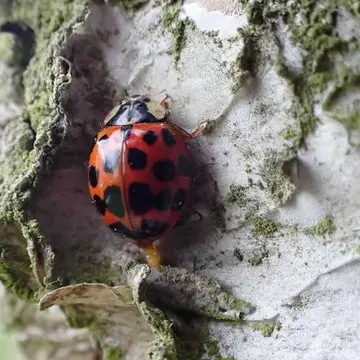 Asian lady beetleBe carefulCommon · 280 records
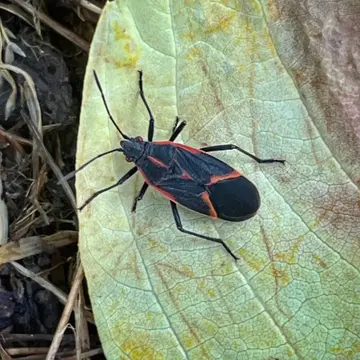 Boxelder bugHarmlessCommon · 198 records
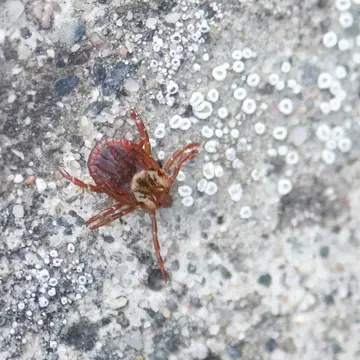 American dog tickGet adviceEstablished · 126 records
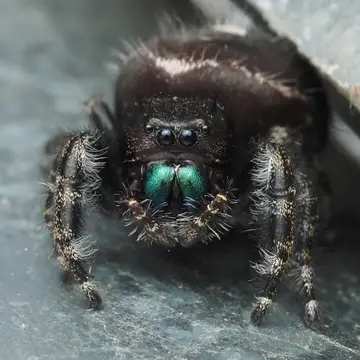 Bold jumping spiderHarmlessCommon · 99 records
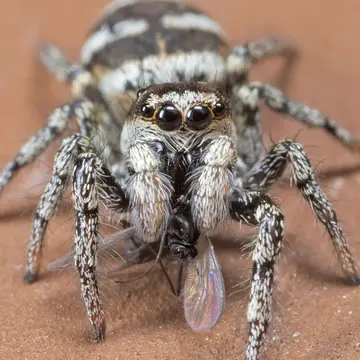 Zebra jumping spiderHarmlessCommon · 74 records
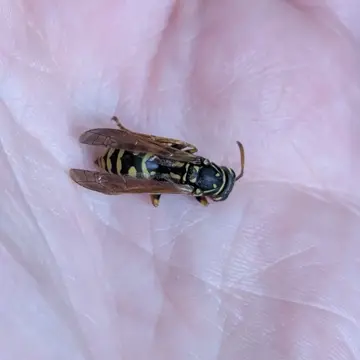 European paper waspBe carefulCommon · 72 records
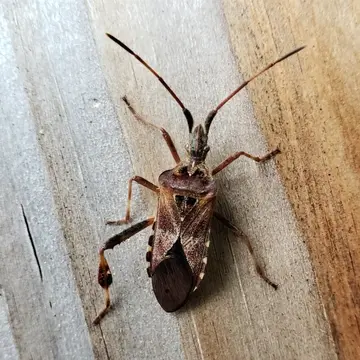 Western conifer seed bugHarmlessCommon · 62 records
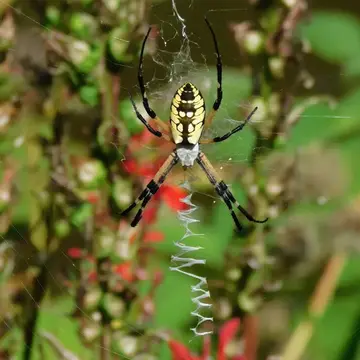 Yellow garden spiderBe carefulCommon · 55 records
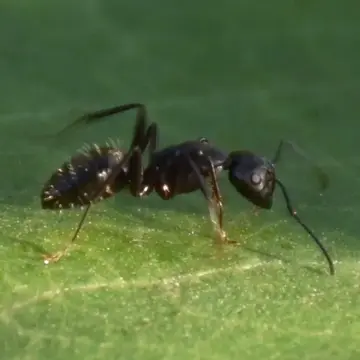 Black carpenter antHarmlessCommon · 26 records
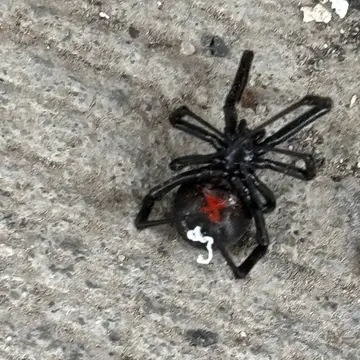 Western black widowGet adviceEstablished · 11 records
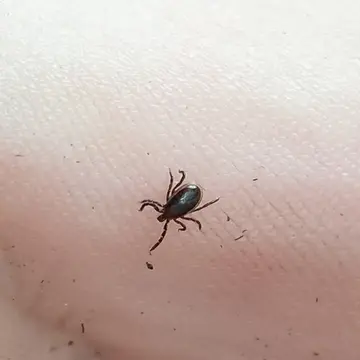 Blacklegged tickGet adviceEstablished · 4 records
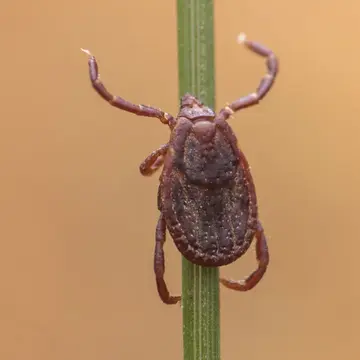 Brown dog tickGet adviceEstablished
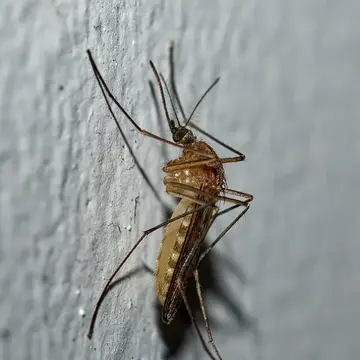 House mosquitoBe carefulEstablished
What to watch for in North Dakota
The American dog tick is the most recorded of the Get-advice species and is established here. It can spread Rocky Mountain spotted fever and tularemia, so remove it promptly and watch for fever or rash. The blacklegged tick is established but very rarely recorded, and the brown dog tick is mostly an indoor tick of dogs.
The western black widow is established in North Dakota, though sightings are few. A bite from an adult female can cause severe muscle pain and cramps, so get medical advice if you think you were bitten, or call Poison Help (1-800-222-1222). The Be-careful species people meet most are Asian lady beetles, European paper wasps and yellow garden spiders.
Through the year
- Spring
- Boxelder bugs and Asian lady beetles that overwintered inside move around on warm days, and American dog ticks become active in April.
- Summer
- European paper wasps stay around the outside of the house, and American dog ticks are at their peak in early summer.
- Fall
- Boxelder bugs, Asian lady beetles and western conifer seed bugs move in, while yellow garden spiders are most noticed in late summer and die off after the first hard frost.
- Winter
- Lady beetles and boxelder bugs show up on warm late-winter days, and black carpenter ants seen indoors in late winter can mean a nest inside the house.
Seen now and then
Recorded a few times; often brought in on plants, firewood or luggage.
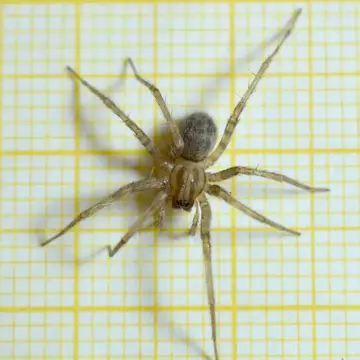 Barn funnel weaverHarmlessOccasional · 20 records
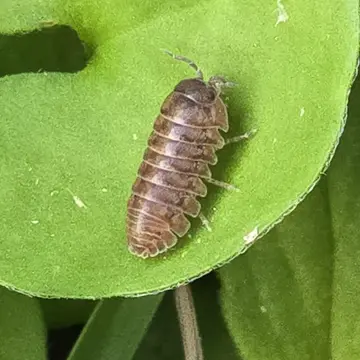 Pill bugHarmlessOccasional · 16 records
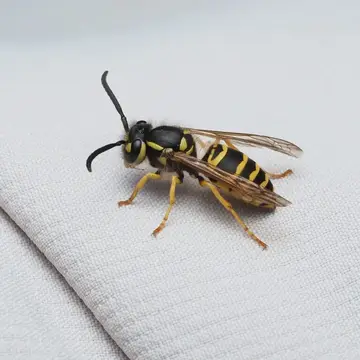 Eastern yellowjacketBe carefulOccasional · 14 records
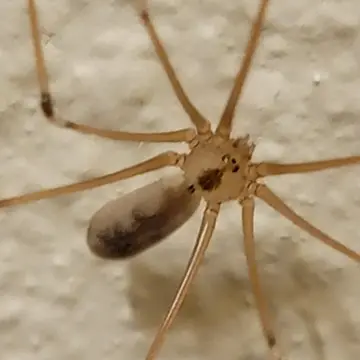 Long-bodied cellar spiderHarmlessOccasional · 5 records
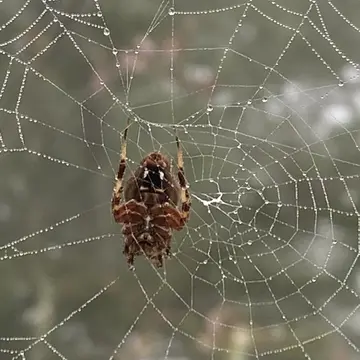 Spotted orbweaverHarmlessOccasional · 5 records
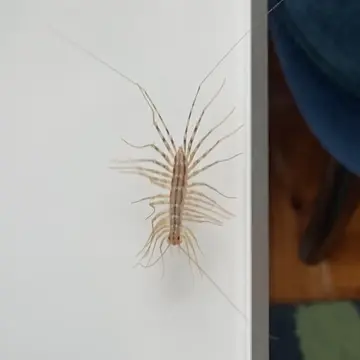 House centipedeBe carefulOccasional · 5 records
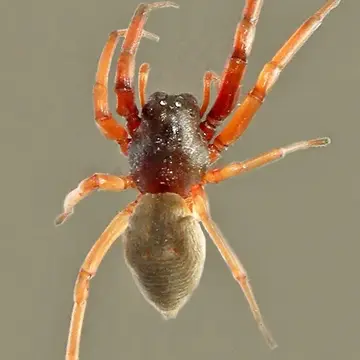 Broad-faced sac spiderBe carefulOccasional · 4 records
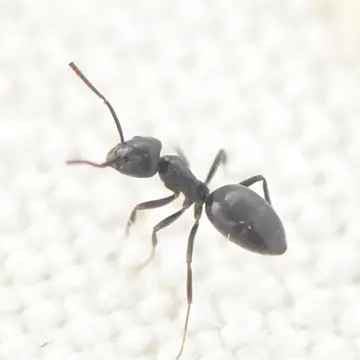 Odorous house antHarmlessOccasional · 4 records
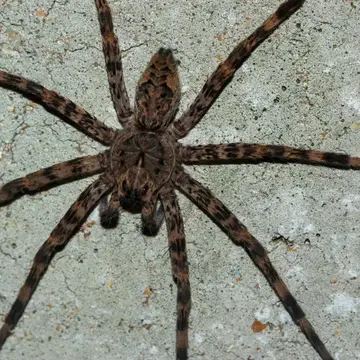 Dark fishing spiderBe carefulOccasional · 3 records
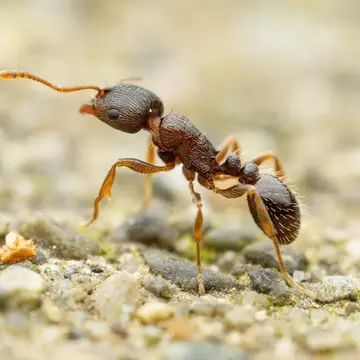 Pavement antHarmlessOccasional · 3 records
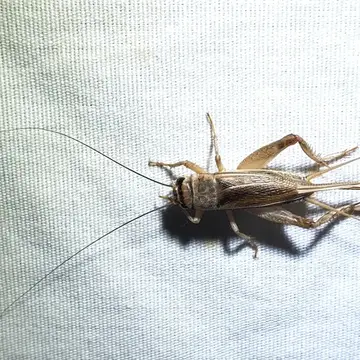 House cricketHarmlessOccasional · 3 records
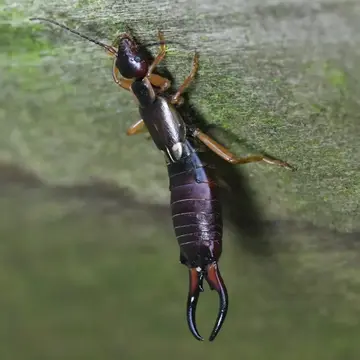 European earwigHarmlessOccasional · 3 records
Lists come from research-grade iNaturalist sightings (North Dakota: 19,281 arthropod records) and, for dangerous species, published range maps. A species with few records may be a hitchhiker. Counts pulled Oct 18, 2026.