
Biters and stingers
These are the house bugs that bite, sting or feed on blood. Some are mostly a nuisance and some can spread disease. Each one links to its own page with what to do.
The biters and stingers
13 kinds, most dangerous first. Tap one for photos, the danger rating and what to do.
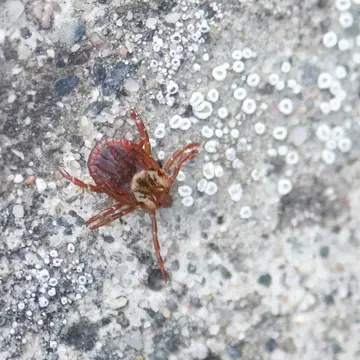 American dog tickGet advice
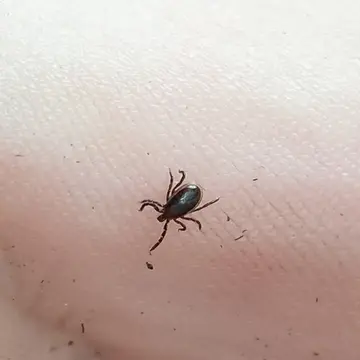 Blacklegged tickGet advice
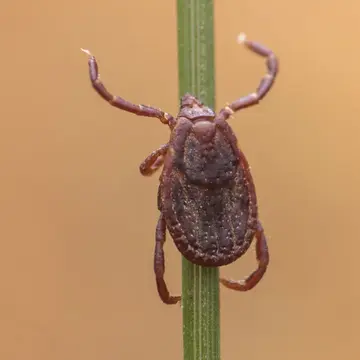 Brown dog tickGet advice
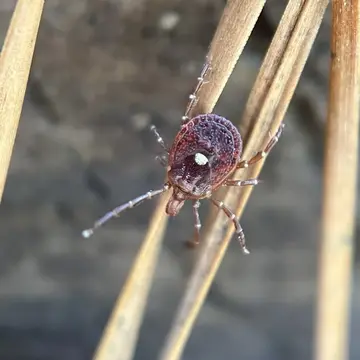 Lone star tickGet advice
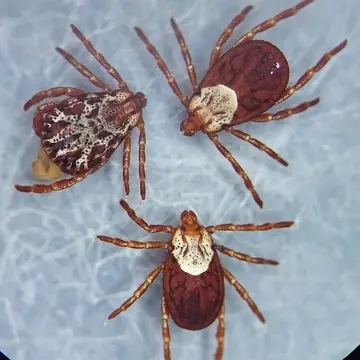 Rocky Mountain wood tickGet advice
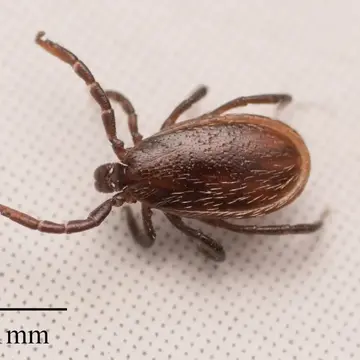 Western blacklegged tickGet advice
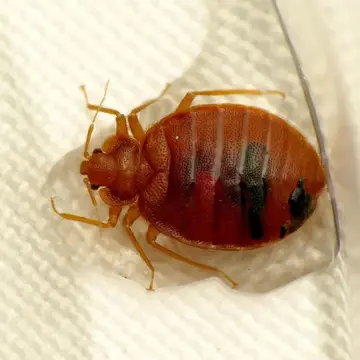 Bed bugBe careful
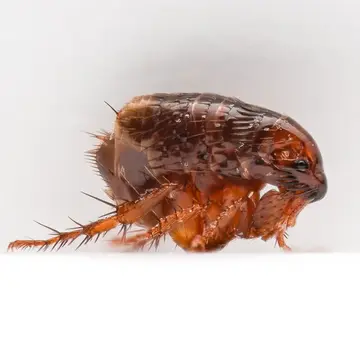 Cat fleaBe careful
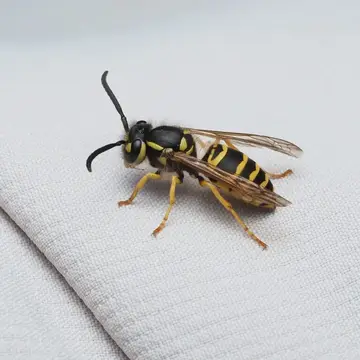 Eastern yellowjacketBe careful
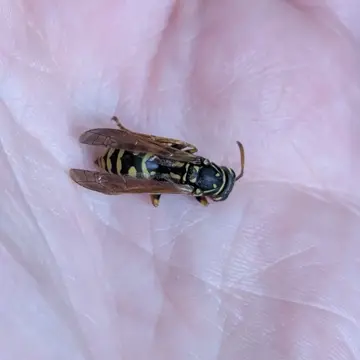 European paper waspBe careful
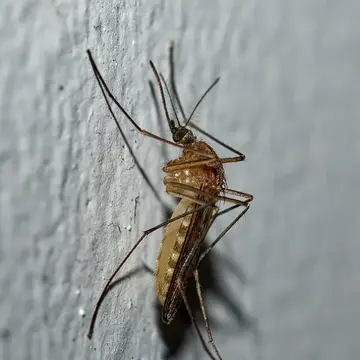 House mosquitoBe careful
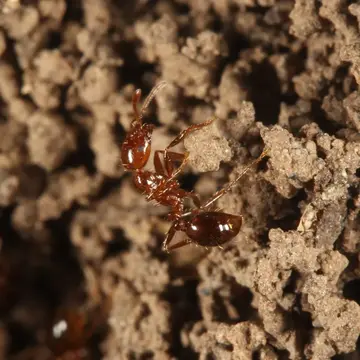 Red imported fire antBe careful
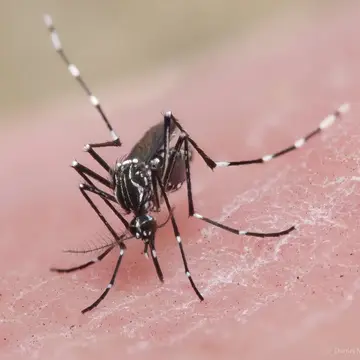 Yellow fever mosquitoBe careful
Ticks
Ticks don't live in houses, with one exception: the brown dog tick can complete its life cycle indoors where dogs live. Others come in on people and pets. Check after time in tall grass or woods, and remove an attached tick with fine-tipped tweezers, pulling straight up. Watch for a rash or fever in the weeks after and tell a doctor about the bite.
Bed bugs and fleas
Bed bugs feed at night and hide in mattress seams and furniture. They are not known to spread disease, but bites itch and an infestation is hard to clear without help. Cat fleas bite both cats and dogs and will bite people when pets aren't around. Treating pets with a vet-recommended product is usually the first step.
Mosquitoes
The house mosquito and the yellow fever mosquito both bite indoors. Empty standing water around the house every week, from plant saucers to clogged gutters, and keep screens in good repair. See a doctor for fever, rash, headache or body aches after bites.
Wasps, yellowjackets and fire ants
Stings hurt but most are not dangerous. They can be for people allergic to them. Call 911 for trouble breathing, swelling of the face or throat, dizziness or hives all over the body after a sting. Leave large nests to a professional, especially yellowjacket nests in the ground or inside walls.